
Concrete Slabs vs Wood Floors for Barndominiums in Madison
Matthew Newell • December 7, 2025
Concrete Slabs vs Wood Floors for Barndominiums in Madison
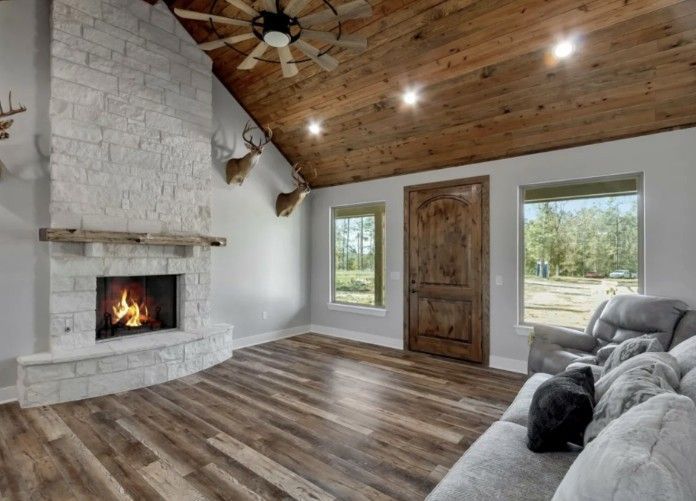
When you're planning a barndominium in Madison, Alabama, one of the first decisions you'll face is what to put under your feet. Should you go with a concrete slab foundation or traditional wood floors? This choice affects everything from your budget to how comfortable your space feels on a hot summer day. Let's break down the pros and cons so you can make the right call for your build.
Why Concrete Slabs Are the Go-To Choice for Barndominiums in Madison
Concrete slabs have become the standard foundation choice for barndominium builds across North Alabama, and for good reason. A concrete slab foundation provides unmatched structural stability for the steel frame construction that defines most barndominiums. When you're building in Madison's clay-rich soil, a properly poured slab eliminates concerns about settling and shifting that can plague pier-and-beam systems.
The thermal mass of concrete also works in your favor. During Madison's sweltering summers, a concrete floor stays naturally cooler than wood. In winter, it holds heat from your HVAC system longer, reducing energy costs year-round. Many barndominium owners in the area pair their concrete slabs with radiant floor heating systems, creating an efficient comfort solution that's nearly impossible to achieve with wood floors.
From a cost perspective, concrete slabs typically run $4 to $8 per square foot installed in the Madison area. That's often 30-40% less expensive than building a raised wood floor system with proper insulation and moisture barriers. You're also looking at a foundation that requires virtually zero maintenance over its lifetime.
The Real-World Benefits of Concrete Slab Foundations
Durability that lasts generations. Concrete doesn't rot, warp, or attract termites—all real concerns with wood floors in Alabama's humid climate. A properly finished concrete floor can last 50+ years with minimal care.
Lower insurance premiums. Many insurance providers offer better rates for homes on slab foundations because they're less vulnerable to moisture damage and pest infestations.
Design flexibility. Concrete accepts stains, epoxy coatings, polished finishes, and decorative scoring. You can achieve looks ranging from industrial-modern to rustic farmhouse, all while maintaining the durability of the material underneath.
Better for shop spaces. If part of your barndominium includes workshop or garage areas, concrete handles heavy equipment, oil spills, and high traffic without breaking down.
When Wood Floors Make Sense in a Barndominium
Wood floors aren't without merit, especially if you're adding them as a finished surface over a concrete slab. Engineered hardwood or luxury vinyl planks installed on top of concrete give you the warmth and aesthetic appeal of wood while keeping the structural benefits of the slab below.
Traditional raised wood floor systems (with a crawl space underneath) do offer easier access to plumbing and electrical systems. If you anticipate major renovations or have complex utility needs, this accessibility can be valuable. However, in Madison's climate, you'll need to invest heavily in moisture barriers, insulation, and ventilation to prevent mold and wood rot issues common in crawl spaces.
The comfort factor is worth mentioning. Wood has a warmer feel underfoot than bare concrete. But this gap closes significantly when you add area rugs, install radiant heating, or finish your concrete with insulating coating systems.
Cost Comparison: Concrete Slabs vs Wood Floors for Madison Builds
For a typical 2,000-square-foot barndominium in Madison, here's what you're looking at:
Concrete slab foundation: $8,000–$16,000 including site prep, gravel base, vapor barrier, rebar, and finishing. Add another $3–$8 per square foot for decorative finishes like staining or epoxy.
Raised wood floor system: $12,000–$24,000 for pressure-treated framing, joists, subfloor, insulation, and vapor barrier. That's before you add your finished flooring material, which runs another $3–$12 per square foot depending on what you choose.
The math is straightforward. Even when you factor in decorative concrete finishes, you're typically saving $8,000–$15,000 by choosing a slab foundation for your Madison barndominium.
Site Preparation Matters More Than You Think
Madison's soil conditions make proper site prep critical, regardless of which flooring system you choose. The expansive clay soils common in the area swell when wet and shrink when dry, which can cause foundation movement.
For concrete slabs, this means ensuring proper drainage, compacting your gravel base thoroughly, and pouring an adequate thickness (typically 4–6 inches for residential barndominiums). Your contractor should also install a vapor barrier underneath the slab to prevent moisture from wicking up through the concrete.
Wood floor systems require even more attention to drainage and moisture control. You'll need proper crawl space ventilation, a heavy-duty moisture barrier on the ground, and adequate clearance between the ground and your wood joists.
Maintenance Requirements Over Time
Concrete slabs win the maintenance game hands down. Once sealed, a concrete floor needs resealing every 2–3 years if it's a high-traffic area. That's it. No refinishing, no replacing damaged boards, no concerns about water damage from a leaking appliance.
Wood floors—whether as a raised system or as a finished surface—demand more care. Hardwood needs refinishing every 7–10 years. Engineered wood and luxury vinyl are more forgiving, but they're still vulnerable to water damage and wear patterns that concrete simply doesn't show.
In a barndominium that might include workshop areas, pet traffic, or muddy boots from outdoor activities, concrete's resilience becomes even more valuable.
Climate Considerations for North Alabama Barndominiums
Madison's humid subtropical climate isn't kind to wood floor systems. Summer humidity regularly exceeds 70%, creating ideal conditions for mold, mildew, and wood rot in crawl spaces. Even with proper ventilation and moisture barriers, you're fighting an uphill battle.
Concrete slabs eliminate the crawl space entirely, removing the most common source of moisture problems in North Alabama homes. When you pair a slab with proper exterior drainage and guttering, you create a foundation system that stands up to our weather patterns year after year.
The thermal benefits matter too. Concrete's thermal mass helps moderate indoor temperatures, reducing the load on your HVAC system. This efficiency gain is measurable—many barndominium owners report 15-20% lower cooling costs compared to similar-sized homes on raised foundations.
Design and Aesthetic Options for Concrete Floors
Gone are the days when concrete meant cold, gray, industrial-looking floors. Modern finishing techniques have transformed concrete into a design-forward choice that fits any style.
Acid staining creates rich, variegated colors that mimic natural stone. Popular in barndominium builds, this technique achieves an organic, one-of-a-kind look.
Epoxy coatings offer durability and style in equal measure. Metallic epoxies create stunning, three-dimensional effects. Solid-color epoxies work perfectly for garage and workshop areas.
Polished concrete delivers a sleek, modern aesthetic that's surprisingly warm when combined with the right lighting and furnishings.
Decorative scoring can create tile patterns, geometric designs, or custom layouts without the maintenance headaches of actual tile grout.
You can also install heated floors before the concrete pour, adding radiant warmth that makes the surface as comfortable as any wood floor.
Why Local Contractors Recommend Concrete for Madison Barndominiums
Talk to experienced barndominium builders in the Madison area, and you'll hear consistent advice: start with a solid concrete slab. The combination of structural performance, cost efficiency, and low maintenance makes it the smart foundation choice for our region.
Wood floor systems create complications. They require more extensive permitting for crawl space construction. They add weeks to your build timeline. They introduce moisture and pest vulnerabilities that concrete avoids entirely.
For barndominium builders focused on creating durable, efficient living spaces, concrete slabs for barndominiums in Madison simply make more sense than the alternatives.
Resale Value and Buyer Preferences
When it's time to sell, buyers in the Madison market appreciate the low-maintenance nature of slab foundations. They understand the regional climate challenges and value homes built to withstand them.
Concrete slabs also signal quality construction. Buyers know that a properly poured slab means the builder didn't cut corners on the foundation—the most critical element of any structure.
If you've invested in decorative concrete finishes, you'll find that modern buyers appreciate the industrial-meets-refined aesthetic that's become popular in barndominium design.
Ready to Build Your Madison Barndominium on a Solid Foundation?
Choosing between concrete slabs and wood floors for your barndominium doesn't have to be complicated. The evidence points clearly toward concrete as the smarter choice for Madison builds—lower cost, better durability, and performance designed for our climate.
At Newell Contracting LLC, we've built dozens of barndominiums across North Alabama, and we know what works in our soil and weather conditions. We'd love to discuss your project and show you exactly how a properly designed concrete slab foundation will support your barndominium for decades to come.
Call us today at (256) 426-9588 or visit our services
page to schedule your free consultation. Let's turn your barndominium vision into reality, starting from the ground up.
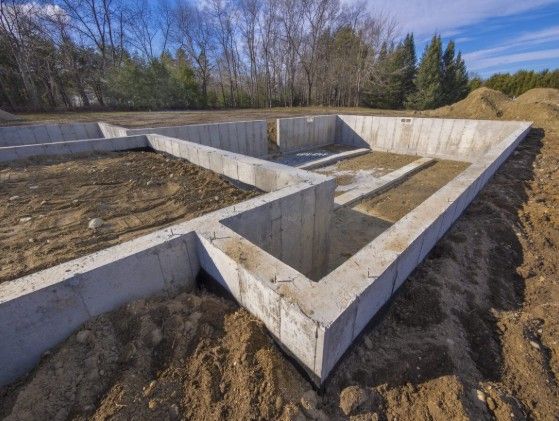
Are you planning a new build in North Alabama and wondering whether you need concrete footers and foundations? Whether you're breaking ground on a custom home in Athens, a metal shop in Madison, or a pole barn in Huntsville, the foundation you choose determines how long your structure will stand. Let's walk through the most common—and most critical—uses for concrete footers and foundations in our area. 1. Residential Home Construction Every home in Athens needs a solid foundation, and concrete footers are the starting point. These horizontal supports sit below the frost line and distribute the weight of your home across the soil. Without properly poured footers, your walls can crack, doors can stick, and floors can become uneven over time. Most residential projects in North Alabama use either a full basement, crawl space, or slab-on-grade foundation—all of which begin with concrete footers and foundations. The clay-heavy soil in our region makes professional installation essential. 2. Pole Barns and Agricultural Buildings Pole barns are popular across Madison County for equipment storage, livestock, and workshops. While the poles themselves provide vertical support, concrete footers anchor each post and prevent shifting or sinking. This is especially important in areas with freeze-thaw cycles or high moisture content. A properly installed footer keeps your pole barn level for decades. It also helps with building code compliance if you're adding electrical or plumbing systems later. 3. Metal Buildings and Commercial Shops Metal buildings need a stable, level base to function correctly. Concrete footers paired with a reinforced slab foundation ensure your structure won't twist, warp, or settle unevenly. This is critical for overhead doors, which can bind or fail if the building shifts even slightly. Whether you're building a detached garage, a workshop, or a commercial shop in Huntsville, investing in concrete footers and foundations up front saves you from costly repairs down the road. 4. Retaining Walls and Load-Bearing Structures If your Athens property has sloped terrain, you may need a retaining wall to prevent erosion and create usable space. Retaining walls that hold back soil or support weight require deep concrete footers to resist lateral pressure. Without them, the wall can tilt, crack, or collapse. The same principle applies to outdoor structures like covered patios, pergolas with heavy roofing, and masonry fireplaces. Any time you're building something that bears significant weight, a concrete footer is non-negotiable. 5. Accessory Dwelling Units and Additions Adding a mother-in-law suite, workshop, or bonus room? Your addition needs its own foundation system that matches or complements your existing home. Concrete footers ensure the new structure won't settle independently and cause separation cracks or structural damage. In North Alabama, frost heave and soil movement are real concerns. A licensed contractor will match your footer depth and width to local soil conditions and building codes. Why Concrete Footers and Foundations Matter in North Alabama Our region's soil composition and weather patterns make quality foundation work essential. Clay soil expands when wet and contracts when dry. Freeze-thaw cycles can shift poorly supported structures. And without proper drainage and reinforcement, even a small mistake can lead to expensive foundation repairs. Working with an experienced contractor who understands Athens-area soil conditions and building codes is the best way to protect your investment. Need help with your next project? Newell Contracting LLC specializes in concrete footers and foundations for residential and commercial builds throughout Athens, Huntsville, and Madison. We'll make sure your structure starts on solid ground.
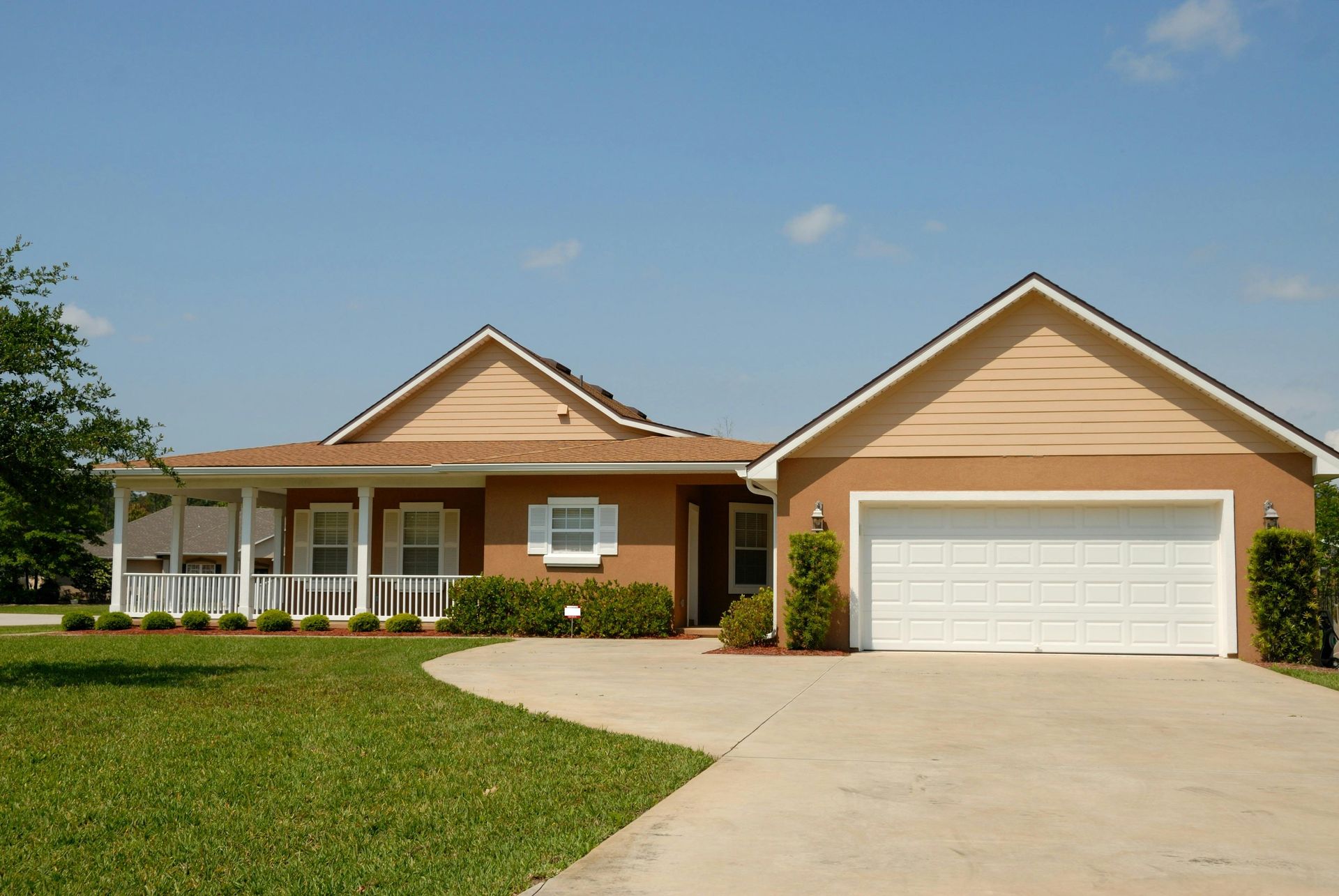
If you're planning a new driveway or evaluating your current one, you're probably wondering how many years you can expect it to hold up. A concrete driveway is a significant investment, and in Huntsville's climate, understanding what affects its longevity can save you thousands in premature repairs or replacement. Average Concrete Driveway Lifespan in North Alabama A well-installed concrete driveway in Huntsville typically lasts 25 to 30 years. Some driveways can push past 40 years with proper care, while others may show serious wear in 15 to 20 years if neglected or poorly constructed. The difference comes down to installation quality, climate conditions, and ongoing maintenance. In Madison and Athens, the concrete driveway lifespan follows a similar range. Local weather patterns—including temperature swings, freeze-thaw cycles, and heavy summer rains—play a major role in how your concrete holds up over time. 5 Factors That Impact How Long Your Driveway Lasts 1. Installation Quality The foundation is everything. A driveway poured over poorly compacted soil or without proper drainage will crack and settle early. Professional contractors use the right base materials, correct concrete thickness (usually 4 to 6 inches for residential driveways), and proper reinforcement. 2. Climate and Weather Exposure Huntsville experiences hot, humid summers and occasional winter freezes. Water that seeps into small cracks can expand when it freezes, causing larger cracks and surface spalling. UV exposure and heat can also degrade the surface over time. 3. Concrete Mix and Curing Not all concrete is equal. The PSI rating, water-to-cement ratio, and curing process all affect strength and durability. A rushed pour or improper curing in high heat can weaken the slab from day one. 4. Load and Traffic Heavy vehicles, frequent traffic, and sharp turns can stress concrete beyond its design limits. If you park work trucks or RVs on your driveway regularly, reinforce it during installation and consider thicker concrete. 5. Maintenance Routine Sealing your driveway every 2 to 3 years protects it from moisture, stains, and surface wear. Filling small cracks early prevents them from spreading. Keeping the surface clean and addressing drainage issues also extends the concrete driveway lifespan significantly. Signs Your Driveway May Need Replacement Even with great care, driveways don't last forever. Watch for these warning signs: Wide or deep cracks (wider than ¼ inch) Sinking or uneven sections that create tripping hazards Persistent pooling water that won't drain Spalling or flaking across large areas of the surface Minor cracks can often be repaired, but widespread damage usually means it's time for a replacement. If your driveway is over 25 years old and showing multiple issues, replacement is often more cost-effective than ongoing repairs. How to Extend Your Driveway's Life You can add years to your concrete driveway with a few simple habits: Seal it regularly to block moisture and prevent staining Fix cracks immediately before they spread Avoid de-icing salts in winter, which can damage the surface Clean up oil and chemicals promptly to prevent staining and degradation Ensure proper drainage around the driveway edges If you're planning a new driveway or need expert repairs, working with an experienced concrete contractor in Huntsville ensures your investment is built to last. Frequently Asked Questions How long does a concrete driveway last compared to asphalt? Concrete driveways typically last 25 to 30 years, while asphalt driveways average 15 to 20 years. Concrete requires less frequent maintenance and holds up better in hot climates like North Alabama, though asphalt is often cheaper to install initially. Can I extend my concrete driveway's lifespan with sealing? Yes. Sealing your driveway every 2 to 3 years protects it from moisture intrusion, UV damage, and surface wear. This simple step can add 5 to 10 years to your driveway's overall lifespan, especially in areas with freeze-thaw cycles. What's the best time of year to replace a concrete driveway in Huntsville? Spring and fall offer the most consistent temperatures for concrete curing. Avoid pouring in extreme heat or when freezing temperatures are forecast within 48 hours. Mild weather ensures the concrete sets properly and reaches full strength. Get a Driveway That Lasts Decades Your driveway should give you decades of reliable service without constant repairs. At Newell Contracting LLC , we specialize in durable, professionally installed concrete driveways throughout Huntsville, Madison, and Athens. From proper base prep to high-quality concrete mixes, we build driveways designed to last. Ready to install or replace your driveway? Contact us today for a free estimate and expert advice on the best solution for your property.
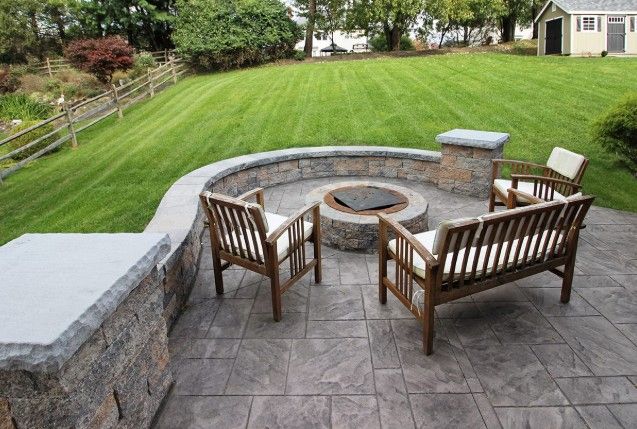
A concrete patio adds value and beauty to any home. In Athens, where weather patterns shift between hot summers and cold winters, your outdoor concrete surfaces face unique challenges. Understanding concrete patio maintenance helps you protect this important investment in your property. The right care routine keeps your patio looking fresh and prevents costly repairs down the road. Whether you installed your patio last year or a decade ago, these maintenance strategies will help extend its life and keep it attractive for family gatherings and quiet evenings outdoors. Clean Your Patio Surface Regularly Dirt, leaves, and debris don't just make your patio look messy. They can actually damage the concrete over time. Sweep your patio at least once a week to remove loose materials. For deeper cleaning, use a garden hose or pressure washer every month during warm weather. Mix warm water with a mild detergent for stubborn stains. Avoid harsh chemicals that can break down the concrete surface. Oil stains need special attention. Sprinkle cat litter or baking soda on fresh oil spots to absorb the liquid. Let it sit for several hours before sweeping it away. For old oil stains, use a concrete degreaser following the product instructions carefully. Seal Your Concrete for Long-Term Protection Sealing creates a protective barrier against water, stains, and weather damage. Apply a quality concrete sealer every two to three years. This simple step prevents moisture from soaking into the concrete and causing cracks when temperatures drop below freezing. Before sealing, clean the surface thoroughly and let it dry completely. Choose a day when temperatures stay between 50 and 90 degrees with no rain in the forecast. Apply the sealer with a roller or sprayer in thin, even coats. Most sealers need two coats for best results. Wait for the first coat to dry before adding the second layer. The sealer protects against UV damage, prevents color fading, and makes future cleaning much easier. Address Cracks and Damage Quickly Small cracks grow into big problems if you ignore them. Check your patio for cracks every few months. Hairline cracks smaller than a quarter-inch wide can be filled with concrete crack filler from any hardware store. Clean out the crack first, removing all loose material and debris. Apply the filler according to package directions and smooth it level with the surrounding surface. Larger cracks or areas where the concrete has settled need professional attention. These issues often signal underlying problems with the base or drainage. Fixing them early costs less than waiting until the damage spreads. Water getting into cracks can freeze in winter, making small problems much worse. Prevent Water Damage and Drainage Issues Water is concrete's biggest enemy. Make sure water drains away from your patio instead of pooling on the surface. Standing water leads to staining, erosion, and freeze-thaw damage during cold months. Keep gutters and downspouts directed away from your patio area. Check the slope of your patio surface. It should angle slightly away from your house, allowing water to run off naturally. If you notice puddles forming in the same spots after rain, you may need to adjust the drainage. Sometimes adding a small channel or French drain solves persistent water problems. During winter, promptly remove snow and ice. Use calcium chloride ice melt rather than rock salt, which can damage concrete surfaces. Protect Against Stains and Discoloration Prevention beats cleaning when it comes to patio stains. Use furniture pads under metal chairs and tables to prevent rust marks. Place mats under grills and planters to catch drips and spills. If you use your patio for dining, clean up food and beverage spills right away. Acidic substances like wine, citrus juice, and tomato sauce can etch concrete if left too long. For rust stains from metal furniture or tools, try a paste of lemon juice and salt. Let it sit for a few hours before scrubbing and rinsing. Mildew and algae grow on concrete in shady, damp areas. Mix one part bleach with three parts water to remove these growths. Scrub with a stiff brush and rinse thoroughly. Avoid Damaging Your Concrete Surface Some common activities actually harm concrete patios. Never use metal shovels or sharp tools that can scratch or chip the surface. Avoid deicing chemicals that contain ammonium sulfate or ammonium nitrate. These chemicals cause concrete to deteriorate faster. Don't place hot items directly on concrete. Extreme temperature changes can cause surface cracking. Use trivets under hot grills or fire pits. Heavy furniture or equipment can create permanent pressure marks in concrete. Use wide furniture pads to distribute weight more evenly. Be careful when moving heavy objects across your patio. Dragging can scratch the surface and damage the sealer. Need More Help Maintaining Your Outdoor Space? Taking care of your concrete patio protects your investment and keeps your outdoor living area beautiful for years to come. If you have questions about your specific situation or need professional advice on repairs or maintenance, Newell Contracting is here to help. Contact us to learn more about exterior services that keep your home looking its best. Get Expert Concrete Patio Maintenance Help in Athens Today
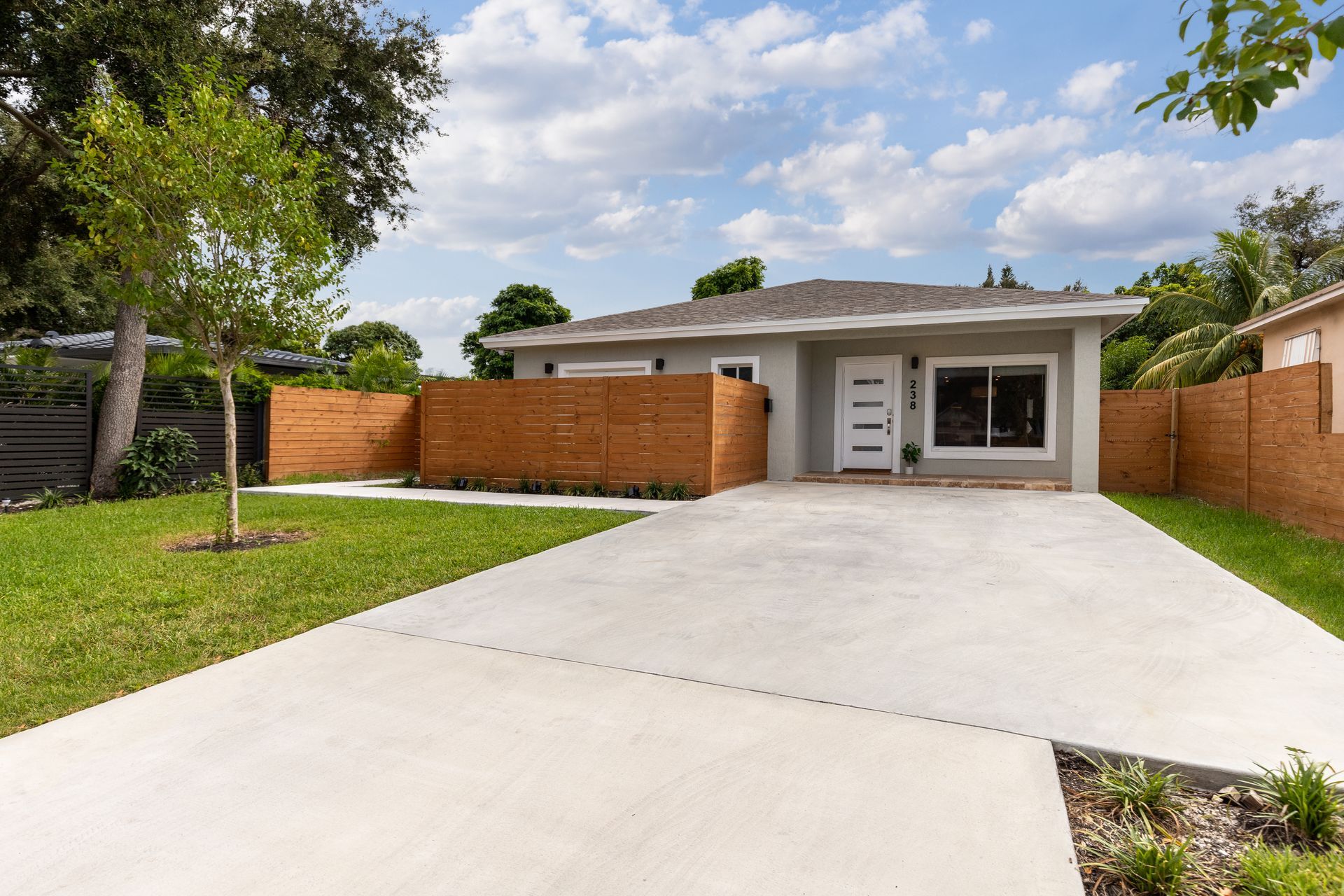
Discover why concrete driveways make sense for Huntsville homeowners. Learn about durability, cost savings, and property value benefits.